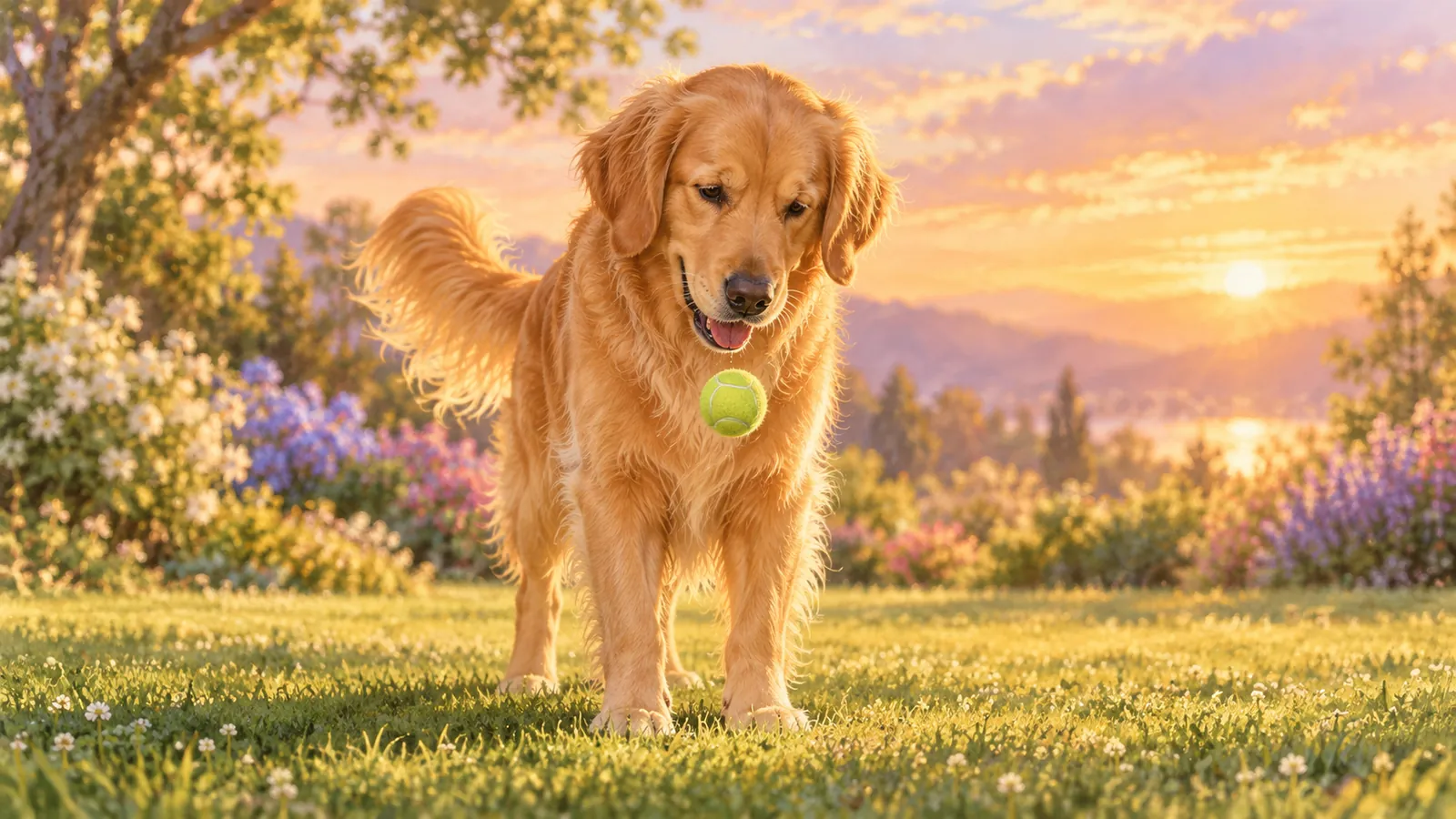
Training · Core Obedience
Drop It
Release cue for items already in the mouth, distinct from Leave It.
Drop it teaches your dog to let go of something that is already in its mouth. It is essential for games like fetch and tug, and for the moment your dog picks up something it shouldn't have.
The foundation is trading. If giving something up always leads to something as good or better, your dog learns to let go willingly — and stays relaxed about you approaching when it has something.
Chasing a dog or prying its mouth open teaches the opposite: that people take things, so grab fast, run away, or guard. That is how resource guarding often starts.
If your dog growls, freezes, or stiffens over items, stop practising drop it with those items and talk to a qualified behavior professional.
What this command is
Dog opens its mouth and releases what it is holding when cued.
Why it matters: Drop it is essential for safe toy play, clean fetch, and getting dangerous items out of your dog's mouth without a struggle.
- Verbal cues:
- drop it, out, give
- Hand signal:
- Open palm under the dog's chin.
- Supplies:
- a toy your dog likes but doesn't love, high-value treats, a second identical toy
- Age:
- Any age. Teach it early to puppies.
- Physical suitability:
- Avoid tugging hard on young puppies' mouths while they are teething.
Training steps
1.Trade up
While your dog holds a low-value toy, put a high-value treat right in front of its nose. When it lets go to take the treat, mark the release. Then give the toy back.
Success: Dog lets go as soon as the treat appears.
Typical time: 1-2 sessions
2.Add the cue before the trade
Say "drop it" once, wait a second, then present the treat. Over time, the dog starts letting go on the word before seeing the treat.
Success: Dog releases on the word before the treat appears.
Typical time: 2-4 sessions
3.Use the toy as the reward
Play with two identical toys, or with tug: cue "drop it", and when the dog lets go, immediately throw or offer the toy again.
Success: Dog drops quickly because it knows the game continues.
Typical time: 2-4 sessions
4.Practise with more valuable items
Gradually practise with things your dog values more, like a chew, always trading for something better and often giving the item back.
Success: Dog releases valued items calmly on cue.
Typical time: 1-2 weeks
Common mistakes
Pulling the item away or prying the mouth open
Why it happens: Urgency
Fix: Use a calm trade. Forcing it teaches the dog to hold tighter or guard.
Only using drop it when taking something away for good
Why it happens: Only practising in emergencies
Fix: Practise often and usually give the item back, so the cue does not predict loss.
Chasing a dog that has something
Why it happens: Instinct
Fix: Turn away, make yourself interesting, or scatter treats on the floor away from the item.
Troubleshooting
Dog clamps down harder
Likely cause: Item is too valuable for current stage, or the dog expects to lose it
Remedy: Go back to lower-value items and better trades, and give items back more often.
Dog drops the item then grabs it again
Likely cause: The item is still within reach
Remedy: Place the treat slightly away from the item so the dog moves off it.
Dog runs away with items
Likely cause: Keep-away has become a fun game
Remedy: Don't chase. Practise trades at home and manage access to tempting items.
Dog growls or stiffens when approached
Likely cause: Resource guarding
Remedy: Stop practising with that item and consult a qualified behavior professional.
Proofing: making it reliable
Once drop it is reliable with toys, practise in different rooms and on walks with safe items. Keep trades generous — for a dog that has just dropped a chicken bone, only a jackpot will do.